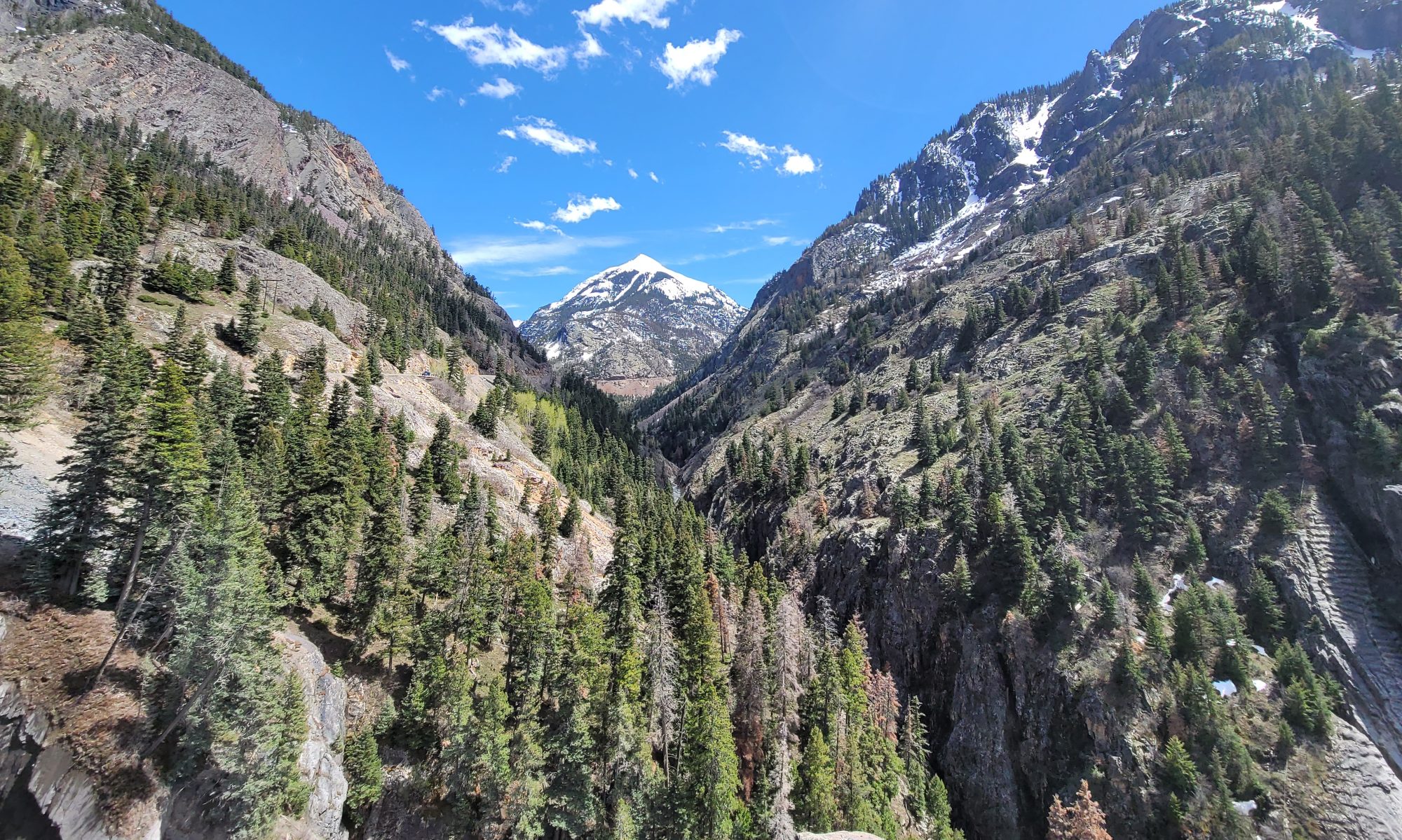
Methanotrophs serve as an important food and nutrient source in a number of different environments and new research highlights the exact capabilities of these spiders who farm them in the deep sea environment.
CH4MS in NOLA
We were happy to be in attendance and participate in the Gulf Coast Community Resilience and Emerging Blue Technology Development Forum:
CH4MS Attending NREL IGF 2025
CH4MS will be attending the NREL IGF 2025 in order to raise for our Pre-Seed round of funding on March 26th through 28th. Look for us there!
CH4MS Accepted as a Finalist in Mining Cleantech Challenge
We have been accepted as a finalist for the eighth annual Colorado Cleantech Mining Challenge. We will be presenting our technology on October 1st in Denver, CO to world leading companies in the mining sector.
https://www.prlog.org/13039432-mining-cleantech-challenge-announces-2024-selected-companies.html
Currently Accepting Partners for Operations
We have moved to initial commercialization and are currently looking for partners who are looking to reduce methane leakage in landfills, municipalities, mine sites, agriculture, oil and gas. Please see the services tab for a full list of the types of pilot operations we can collaborate with on. If you are looking for help in these area please contact us and as a part of pilot testing initial work can be done at significantly reduced prices or for free.
CH4MS Pilot Reactor Installed
A pilot bioreactor has been installed on site at a coal mine undergoing remediation. Tests will be performed to evaluate the in situ performance of the reactor and the overall capabilities of these types of solutions in the field.
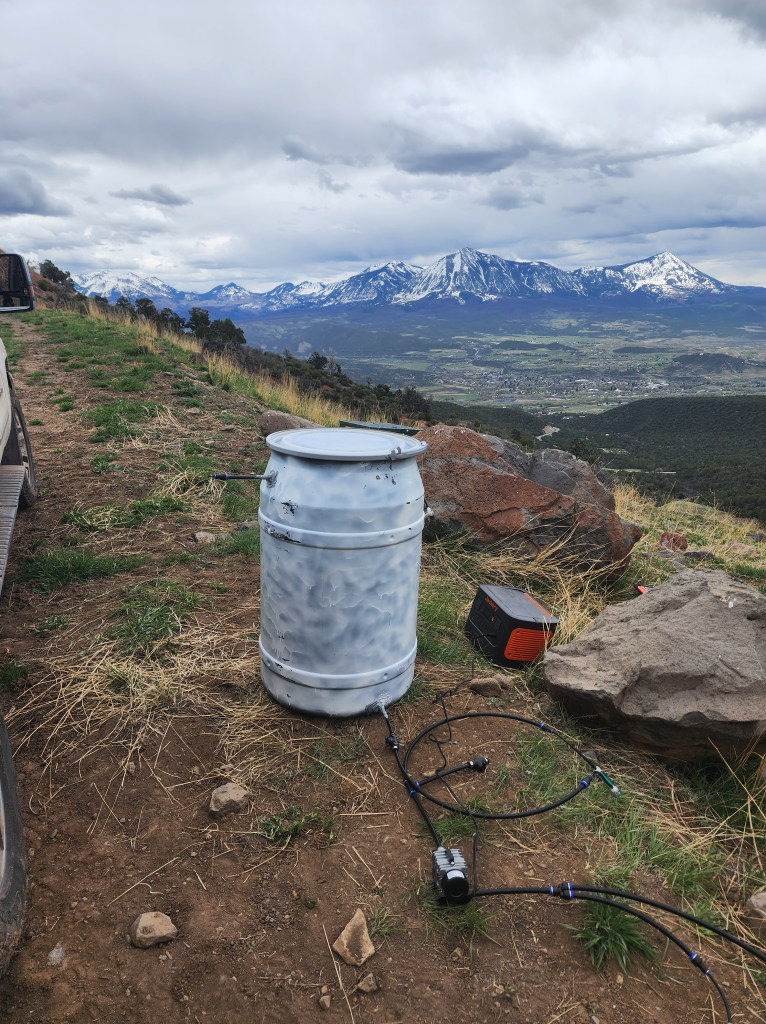
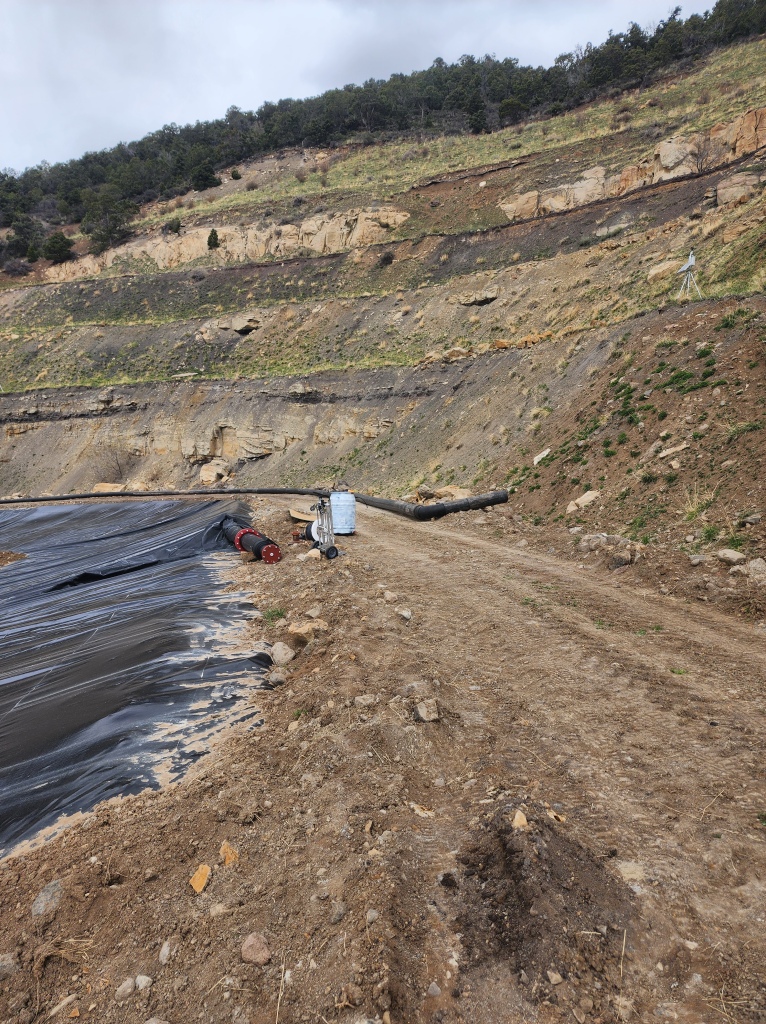
Thanks to Delta Brick and Climate Company for collaborating with us on this project.
CH4MS Kinetics Studies
Our studies into the variable kinetics of methanotrophic species has been ongoing and we soon hope to be able to publish information related to species present and conditions in high methane sampling areas vs. other natural regions. We currently have sampling data from three different mine methane leakage sites around Colorado. This data will allow us to expand operations into possible remediation methods.
Soil Testing in Arapahoe National Forest
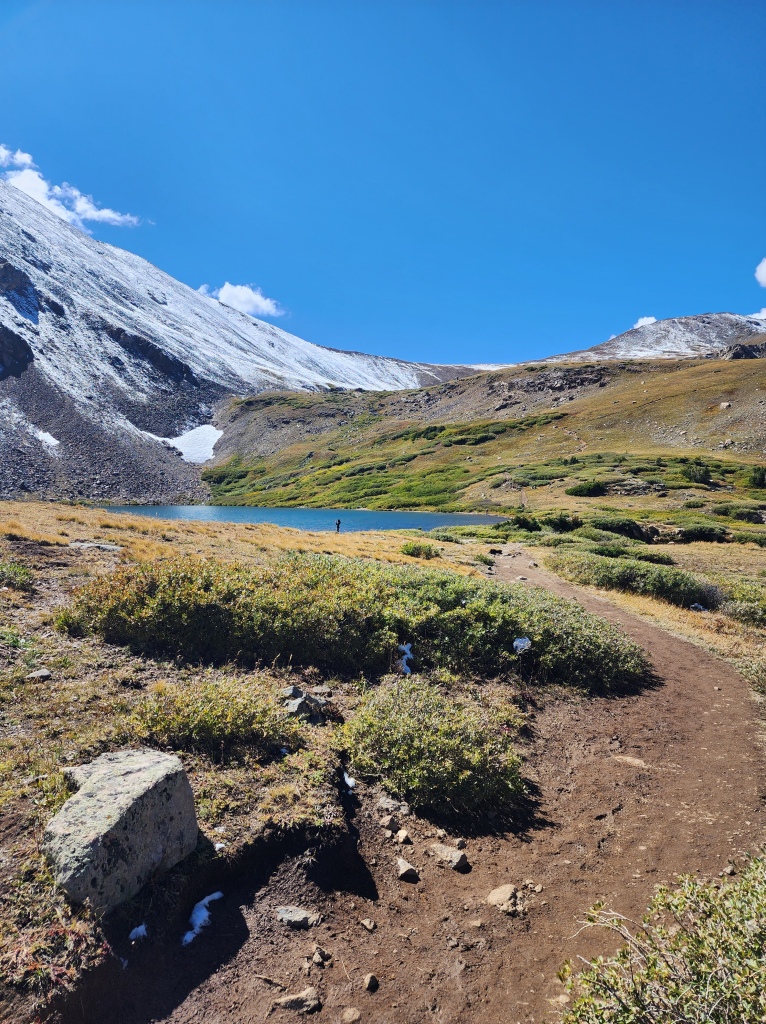
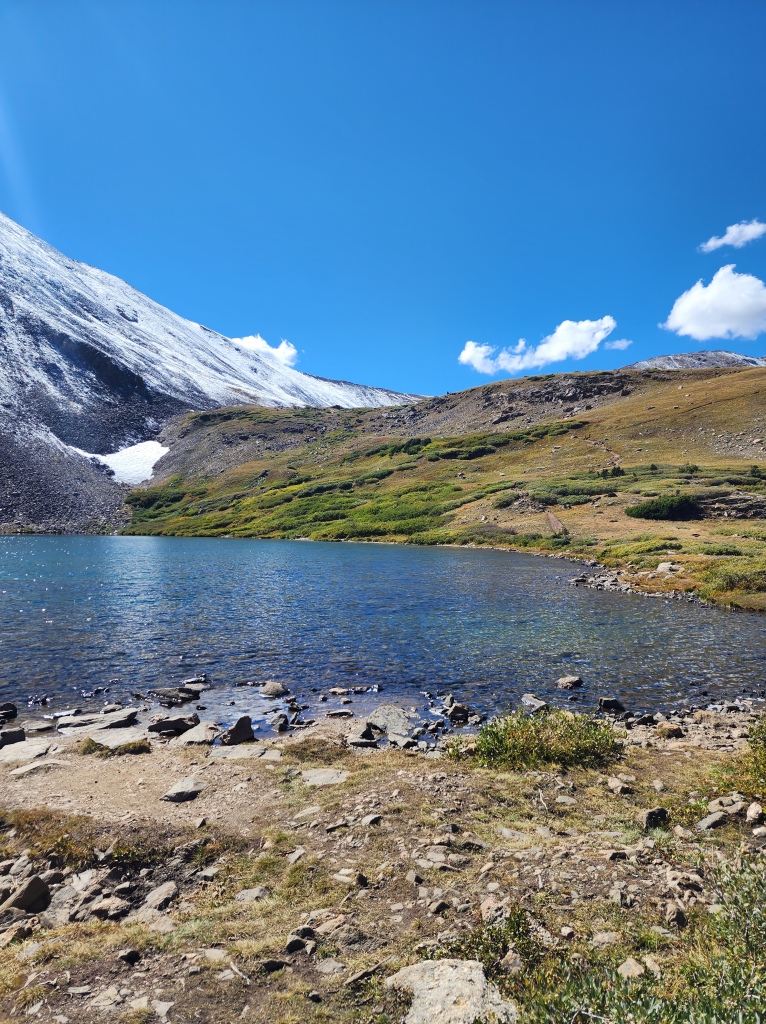
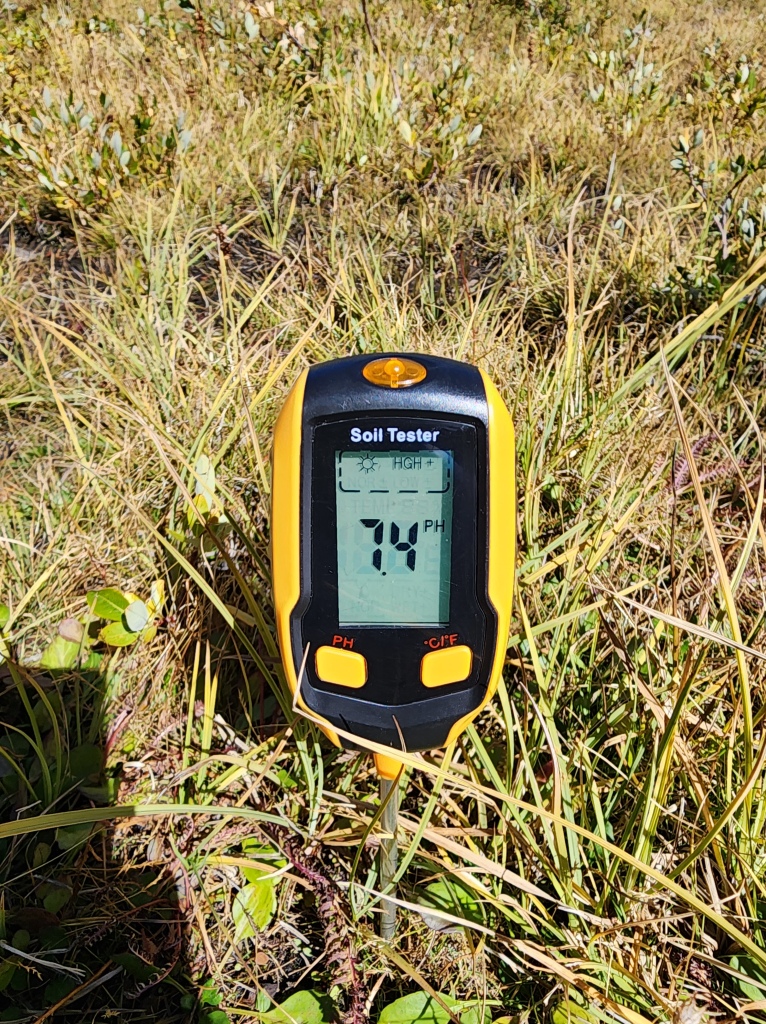
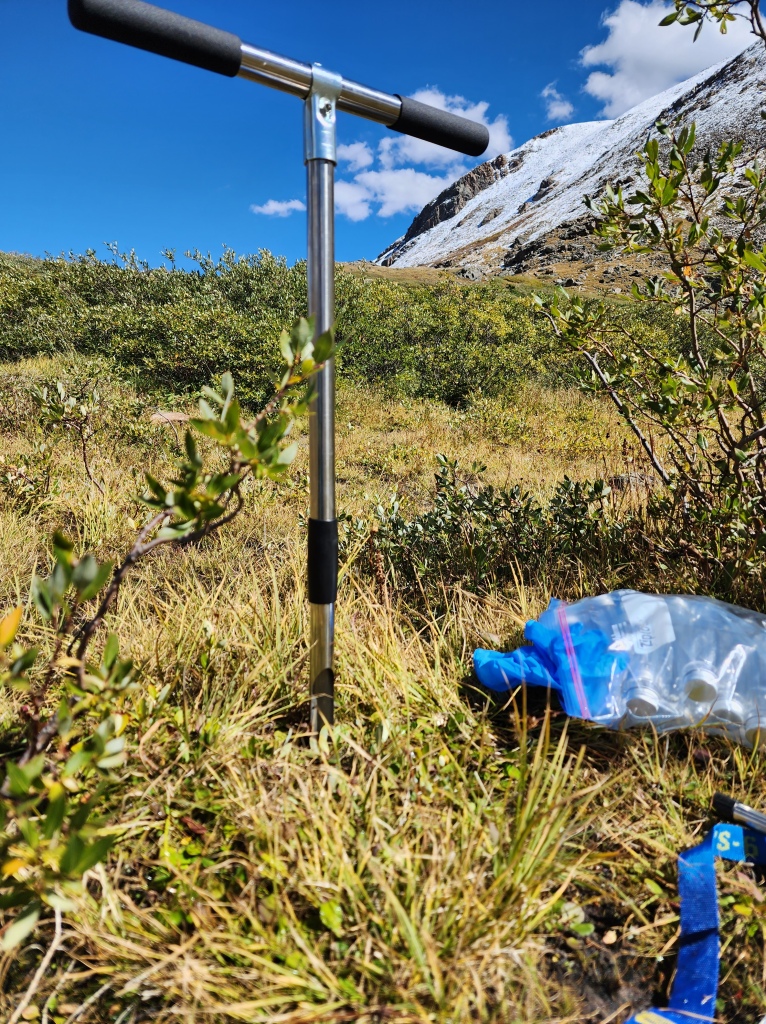
As a part of ongoing studies of the soil in regions most affected by climate change samples of soil as well as measurements of temperature and pH were taken in assorted alpine regions. This was initially carried out at silver dollar lake in Arapahoe National Forest. Silver dollar lake is at 11,950 ft in elevation and is representative of alpine tundra type formations that would be found throughout the Rockies and is comparable to high latitude taiga and tundra regions of the artic. Further testing of the soil for methanotroph content and methanotroph capacity will be carried out in vitro. Soil Testing was carried out with permitting from the US Forest Service under Permit/Authorization ID: CLC1078

CH4MS at Denver Startup Week
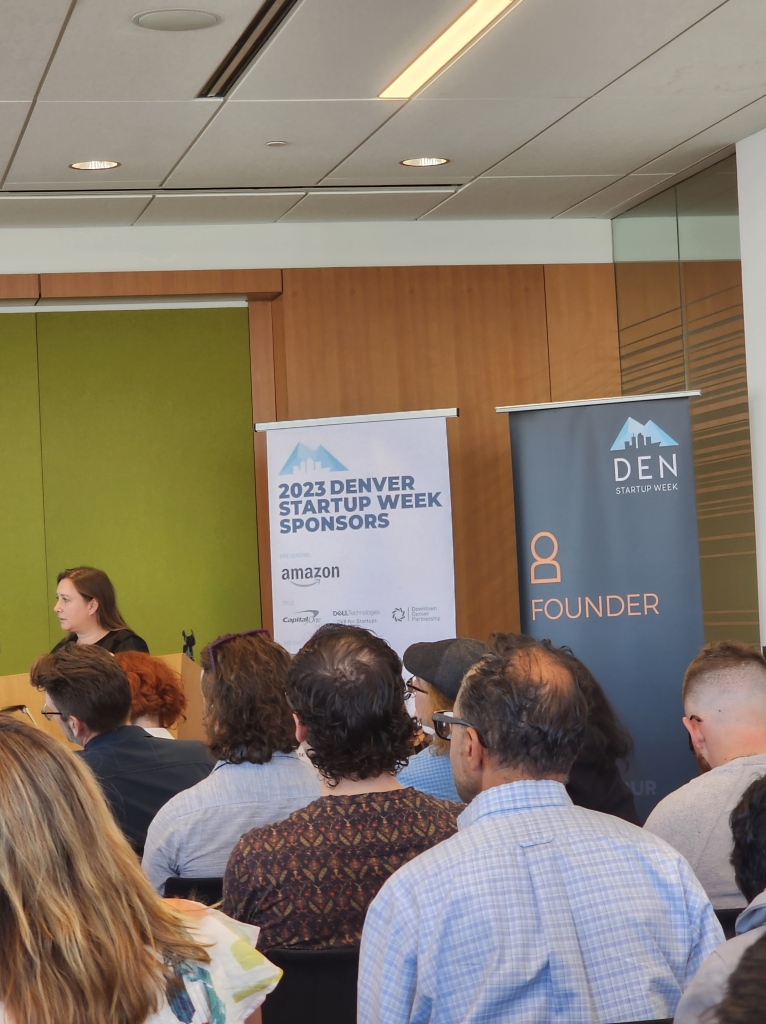
As a part of our efforts to network with the business community of Denver and establish connections that will help us attain our conservation goals we attended the Denver Startup Week 2023 including The Future of Energy Day which proved to be very enlightening and helpful.

Fresh Water Regions and Methanotrophs
One area of the methane carbon cycle that bears consideration is that of fresh water soils. There are a number of methanotrophs that inhabit the sediment in lakes around the world and serve as significant sink for the removal of methane from the environment. The main factor that determines whether lakes function as methane sinks or sources is the content of oxygen in the lake. If the lake is aerobic then it generally will function as a sink for methane consumption. If the lake is anaerobic then methanotrophs will not be able to metabolize methane and the methanogenic bacteria in the lake can instead work to produce methane. The artic region is full of lakes and ponds with more being produced all the time due to the thawing of previously frozen regions. These can serve to produce or consume methane and since many watery regions in the arctic are stagnant making them anaerobic and may to serve to produce more methane.
When crafting a strategy on how to distribute methanogenic bacteria you must take into account that they will have the needed nutrients such as oxygen. It may also be useful to distribute these species in dryer arid soils in which methanotrophs thrive that are adjacent to wetter regions that produce methane.
 CH4 Microbial Solutions