Limiting Nutrients for Methanotrophs

Methanotrophs have sensitive requirements for growth and often require specific nutrients as well as coculture species in order to thrive in vitro and in vivo. This can provide difficulties when culturing in the lab and when new colonies are seeded into the environment. Metal molecules are of special interest to methanotrophs because they are used in the active site Methane Monooxygenase (MMO) to digest methane. The most important metal to recruit for this is Copper which is incorporated into the particulate form of MMO but iron can also be incorporated into the soluble form of MMO in circumstances in which copper is not readily available. Copper as a consequence of its importance in the function of pMMO also serves as a powerful regulator of transcription and expression for a number of different protein pathways that lead to methanotroph proliferation. Methanotrophs are able to extract copper from their environment from insoluble minerals and weathering of copper rich minerals can serve as an indication of the presence of Methanotroph species.

Testing at the site of soil sampling for the presence of certain nutrients especially copper can reveal how active the growth of methanotrophs may be and as to whether they may be metabolically limited to their soluble form for carbon metabolism. When growing in the lab and eventually in the process of seeding natural environments with methanotrophs these limitations need to be accounted for as a limiting factor in growth.

Cultivation of Methanotophs

Methanotrophs pose a special challenge in cultivation and expansion due to metabolic needs and limitations. It is essential to identify the strain of methanotroph that is being isolated so that proper media can be prepared. Additionally proper measuring of conditions such as salinity, pH and temperature at the sampling site can provide insights into how to properly culture these species. Some forms of methanotrophs have also been shown to increase their growth alongside other satellite bacteria that are able to clean excess contaminates produced by methanotrophs. These problems are scaled when larger bioreactors would be needed to produce larger amounts of methanotrophs.

Methane Monooxygenases

Methane Monooxygenases (MMOs) serve the primary function for primary function of converting methane into Methanol for further digestion in Methanotrophic organisms. They come two distinct forms. The membrane bound particulate (pMMO) form and the free cytoplasmic soluble (sMMO) form. Methanotrophs can possess either of these or both fore use in metabolism.

These two different proteins have been shown to have variable forms and kinetic capabilities across the spectrum of methanotrophic microbial species. The capabilities for digestion can be directly characterized by testing the rates of digestion of CH4. This can be further determined by identifying specific species of methanotroph through 16S rRNA sequencing. The full sequence of the MMO can be then characterized through sequencing protein folding studies and X-Ray crystallography. The protein structures that lead to changes in enzyme kinetics can then be identified and utilized for making more active methanotrophic species.

Methane Capture at Coal Basin Colorado

A number of other groups are working towards the same goal of addressing the issues posed by methane release into the broader environment. As part of our goal to engage with the Climate Change research community we sat in with Delta Brick and Climate Company for the their public comment on the project to seal the methane escaping from Coal Basin. https://www.deltabrick.com/climate-projects

These projects provide us all a unique opportunity for collaboration with like minded people who are working towards similar goals in reducing methane release into the atmosphere. Future collaborations on such projects may involve sampling soils in high methane zones of these types of areas to test the methanotrophic capacity of microbes in these areas.

Culturing Methanotrophic Microbes

Methanotrophic organisms pose a unique challenge in culturing populations. Most methanotrophs are facultative in their reliance on methane. For them to grow without methane however they do require specialized media depending upon the lineage of the methanotroph. This can provide insights about the metabolic activity of the species and insights into what types of populations can be found by testing metabolites and other characteristics of the soil before sampling.

In Situ Methane Testing Pilot

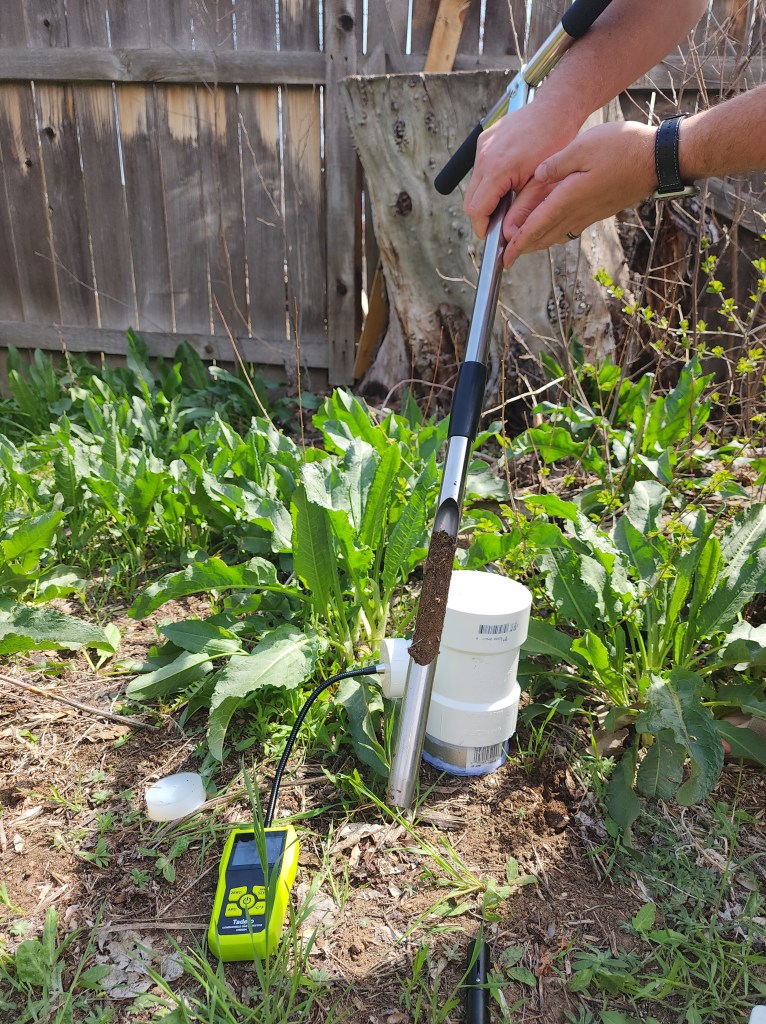
A pilot test of soil methane production using a manufactured still box was performed.

The still box was inserted into soil and the seal was tested using a mobile methane sampler after the insertion of methane into the chamber.

The still box maintained seal with minimal methane loss. Studies will be performed to evaluate this amount and its normal half life of loss.

Sampling of gas in chamber utilizing hypodermic needle through silicone gasket was evaluated.

The sample gas was saved for evaluation with gas chromatograph and comparison to in situmeasurements.

Soil temperature, pH and moisture content was measured at various depths in the soil.

Soil cores were captured for initial culturing experiments.

Engaging the community

Coming up with solutions to climate change is something that must be done as a community. In this respect those involved in addressing climate change are some of the most dedicated and involved in reaching solutions. In respect to addressing the issue of methane release and cycling in the atmosphere we can engage those around the world to test the broader environment of methanogenic and methanotrophic activity and in the future to help to distribute microbial samples that may help in digestion.

Atmospheric Methane Sources and Sinks

There has been significant research into the exchange in the atmosphere between locations in which methane is released and areas where there is significant uptake and the factors that contribute to this action. The main factor in this being the concentration of of carbonaceous soil in an anaerobic environment with moisture leading methanogenic activity. This activity increases with changes in temperature that have been seen due to climate change. The activity of these areas is due to increase in the near future. Methanotrophic sinks however tend to be in dryer soil area with very poor carbon content. The examination and optimization of this cycling process can be used to help to limit the overall methane content in the overall atmosphere.

Methanotrophic Microbe Collection Sites

To find microbes with the hyperactive methanotrophic ability areas of high methane emission most be found and tested. These are areas in which there will be distinct layers of anaerobic carbon rich soil and aerobic soil. The anaerobic soil will serve as a methane source from methanogenic microbes which will provide a favorable environment for methanotrophic microbes to evolve higher kinetic capabilities to metabolize methane. Ideal areas would be warmer wetlands and landfills.

Vegetation and its Role in Methane Capture

Vegetated soils have been proven through testing to have a significant reduction in the release of methane into the broader atmosphere. This may be due to interactions with the soil microbiome in which the two components work synergistically. This area of focus needs further study, but the general results can be used to develop carbon fixation plans that involve the use of microbial species alongside vegetative plans in which both can be seeded alongside one another.